

The 1,000 kWh Electricity Trap: Why the Cheapest Advertised Rate May Not Be Your Cheapest Bill
Finding the lowest electricity rate in Texas can seem straightforward. You search for plans, look at the advertised price, and pick the smallest number. But many Texas households eventually discover that the rate they thought was cheapest did not produce the lowest monthly bill.
This is the 1,000 kWh electricity trap. Most electricity plans in Texas are advertised using a sample usage level of 1,000 kilowatt-hours per month because it creates a clean, comparable number. The problem is that most households do not use exactly 1,000 kWh every month. A small apartment, a family home, and a large house running heavy air conditioning all have completely different consumption patterns. A plan that looks excellent at 1,000 kWh may be a poor fit at 500 kWh or 2,000 kWh.
This gap between the advertised rate and your actual bill exists because electricity pricing in Texas is rarely a single flat number. Plans can include base charges, usage credits that only apply at specific thresholds, tiered pricing structures, and minimum usage requirements. Those details are in the Electricity Facts Label, but they rarely show up in the headline rate.
This guide explains how those pricing structures work, how to compare plans based on your real usage, and how to avoid paying more than you expected simply because you picked the prettiest number.
Why the 1,000 kWh Electricity Trap Happens
The trap exists because of how electricity plans are required to disclose their pricing. In Texas, retail electricity providers publish an Electricity Facts Label (EFL) for every plan. The EFL must show the average price per kWh at three usage levels: 500, 1,000, and 2,000 kWh per month. Providers are allowed to advertise whichever number looks most attractive, and 1,000 kWh is the most common choice because it often produces the lowest effective rate.
The reason that number can look so good is that many plans include a bill credit that kicks in only when you hit a specific usage threshold. A plan might charge a flat $9.95 base fee plus a per-kWh energy charge, but apply a $50 credit if you use more than 1,000 kWh in a billing cycle. At exactly 1,000 kWh, that credit makes the effective rate look very competitive. At 800 kWh, you never trigger it, and the real cost per kWh is meaningfully higher.
This is why the cheapest advertised rate is not always the cheapest bill. The headline number assumes a usage level that may have nothing to do with your household. Before comparing plans by their advertised rate, it helps to pull your last few electricity bills and identify your actual monthly usage. That single step changes the entire comparison.
Comparing Plans by Usage: Why 500, 1,000, and 2,000 kWh Tell Different Stories
The EFL requires providers to disclose pricing at three usage levels for exactly this reason: the same plan can look very different depending on how much electricity you actually use.
At 500 kWh, you are likely a low-usage household. A single person in a small apartment, someone who works outside the home most of the day, or a renter with no washer, dryer, or heavy appliances might fall here. At this level, plans with aggressive usage credits are almost always a bad deal. You will pay the base charge, miss the credit threshold, and end up with an effective rate that is much higher than advertised.
At 1,000 kWh, you are in the range most plans are designed to look attractive. This is the sweet spot for advertised rates, but it is also the level most likely to mislead you. If your usage dips below this in mild months, the math changes. If it climbs above it in summer, the math changes again.
At 2,000 kWh, you are likely in a larger home running heavy air conditioning. At this level, plans with a low per-kWh energy charge and no usage cap tend to perform better than plans built around a single credit threshold. The difference between a well-matched plan and a poorly matched one can be $30 to $50 or more per month.
The practical takeaway is simple: pull your bills from the last 12 months, identify your lowest month, your highest month, and your average. Then compare plans at those three numbers, not just at 1,000 kWh. That is how you compare electricity plans in Texas based on your household instead of a generic sample.
Why Summer Makes the Wrong Plan Much More Expensive
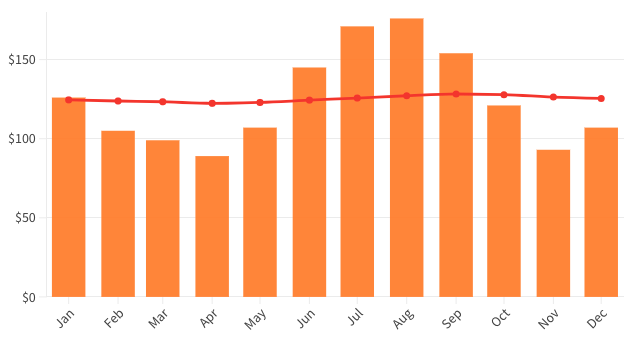
Texas summers are where a mismatched electricity plan becomes a real problem. When temperatures climb, air conditioning stops being a convenience and starts being a necessity, and energy consumption can double or triple compared to milder months.
A household that uses 700 kWh in April can easily reach 1,500 kWh or more in July. If your plan was structured to look attractive at 1,000 kWh but penalizes usage above that threshold, the difference shows up directly on your bill. The same is true in reverse: a plan that rewards high usage with a generous credit may underperform during spring and fall when your consumption drops.
Several factors can push summer usage higher than expected:
- Home size and insulation quality
- Thermostat settings and how often they change
- Number of people at home during the day
- Pool pumps, hot tubs, or other high-draw equipment
- Working from home full time
This is why looking at your actual cost across different seasons matters more than finding the lowest rate for any single month. A plan that saves you $15 in April but costs you an extra $60 in July and August is not a good deal. It also helps to reduce how hard your AC has to work in the first place. Small habits and adjustments can lower your peak usage enough to change which plan structure makes the most sense for your home. Beating the heat without inflating your bill is a useful starting point for that.
Before signing up for any plan, check whether the pricing structure holds up at your summer peak usage, not just at the advertised sample level.
How to Find the Electricity Plan That Actually Fits Your Home
The goal of electricity shopping is not finding the smallest advertised rate. It is finding a plan that matches how your household actually uses energy across the whole year.
As mentioned earlier, start by gathering your last 12 months of electricity bills and note three numbers: your lowest monthly usage, your highest, and your average. Those three numbers tell you more about which plan will work for you than any advertised rate. If you do not have 12 months of bills handy, most utility websites let you pull usage history through your account.
Once you have your usage range, compare plans at all three levels, not just at 1,000 kWh. Pay attention to:
- Whether the plan includes a base charge and how much it is
- Whether there are usage credits and at what threshold they apply
- How the per-kWh energy charge behaves above and below that threshold
- The contract length and any early termination fees
The Electricity Facts Label for each plan you are considering is the most reliable way to get those details. It is a standardized document that every Texas provider is required to publish, and it shows pricing at 500, 1,000, and 2,000 kWh so you can run your own numbers.
Our electricity plan comparison tool at Ladybug Energy lets you see available plans by ZIP code side by side, so you can apply your actual usage before making a decision.
FAQ: The 1,000 kWh Electricity Trap
Why do electricity providers advertise rates at 1,000 kWh?
It is the middle usage level required on the Electricity Facts Label, and it often produces the most attractive effective rate for plans that include usage credits. Providers are allowed to feature whichever number looks best, and 1,000 kWh is the most common choice for that reason.
What if my usage is much lower or higher than 1,000 kWh?
The advertised rate may not reflect what you will actually pay. Low-usage households often miss credit thresholds and end up with a higher effective rate. High-usage households need to check whether pricing scales favorably above 1,000 kWh or whether the plan was only designed to look good at that specific level.
What is a usage credit and how does it affect my bill?
A usage credit is a fixed dollar amount subtracted from your bill when you reach a certain consumption threshold in a billing cycle. For example, a plan might apply a $50 credit if you use 1,000 kWh or more. If you use 900 kWh, you do not receive the credit, and your effective rate per kWh is higher than the advertised number suggests. If you are new to how Texas electricity pricing works, this overview of Texas electricity basics covers the fundamentals in plain language.
What should I look at besides the advertised rate?
Focus on the base charge, the energy charge at your actual usage level, any credit thresholds, and the contract length. Running the math at your real monthly usage gives you a much more accurate picture than the headline rate alone.
How often should I review my electricity plan?
At minimum, before your contract renews. It is also worth a quick check before summer, when usage patterns shift enough that a different plan structure might perform better for your household.
The Bottom Line: Compare by Your Usage, Not the Headline Number
The 1,000 kWh electricity trap is easy to fall into because advertised rates are designed to look attractive, not to reflect your specific household. The fix is straightforward: know your actual usage range, compare plans at your real numbers, and read the Electricity Facts Label before committing to anything.
A plan that performs well at 1,000 kWh may be a poor fit at 700 kWh in spring or 1,800 kWh in August. Those differences add up over a 12-month contract. The best electricity plan for your home is not the one with the lowest headline rate. It is the one that delivers the lowest total cost for the way you actually use energy.

October 27, 2026
Ice, Not Just Cold: How to Get a Texas Home Ready for a Wet Winter

October 20, 2026
Fixed-Rate vs. Bill Credit Plans: Which Texas Electricity Deal Actually Saves More?

October 16, 2026
A Strong El Niño Is Forecast: What Winter 2026-27 Could Bring to Texas

October 6, 2026
Fall Is the Quiet Window to Shop Texas Electricity Rates

September 29, 2026
Data Centers and Your Electric Bill: What Texas Is Actually Doing About It

September 22, 2026
Texas Just Set a New Power Demand Record: What That Actually Means for Your Bill

September 15, 2026
After the Storm: Your Electric Bill During a Power Outage in Texas

September 8, 2026
Why Your Texas Delivery Charges Changed on September 1

September 1, 2026
Smart Thermostat vs. Ceiling Fan vs. AC Tune-Up: Which Saves the Most in Texas?

August 28, 2026
Should You Lock In a Fall Electricity Rate Before August Heat Pushes Prices Higher?

August 6, 2026
Are Indexed or Wholesale Electricity Plans Ever Worth It for Texas Homes?

July 30, 2026
Best Texas Electricity Plan Types for Apartments, Renters, and Short Leases

July 23, 2026
What Uses the Most Electricity During a Texas Heat Wave?

July 16, 2026
Why Your Electric Bill Spikes in July Even When Your Rate Stays the Same

July 9, 2026
Solar Buyback in Texas 2026: What Homeowners Should Check Before Signing Up

June 25, 2026
Texas Power Outage Preparation: Hurricane Season Guide for Homes and Apartments

June 18, 2026
ERCOT Summer 2026 Outlook: What Texans Should Watch Before Peak Heat

May 22, 2026
How to Set Up Electricity in Texas When Moving This Summer

May 5, 2026
Can Oil Prices Raise Your Texas Electric Bill?

April 21, 2026
Earth Day 2026: How to Pick a Truly Green Texas Electricity Plan

April 14, 2026
Smart Home Upgrades to Slash Your Winter Electricity Bill

April 8, 2026
ERCOT Winter 2026 Recap and Texas Spring Electricity Outlook

March 30, 2026
Go Green This Spring: Choosing Renewable Energy Plans in Texas

February 19, 2026
Free Nights and Weekends Texas Plans: Are They Worth It This Winter?

February 10, 2026
Provider Spotlight: APG&E Texas – Plans, Rates, and What Stands Out

January 29, 2026
Fixed vs. Variable Rate Electricity Plans: Should You Lock in Your Rate This Winter?

January 23, 2026
Prepare Your Home for the Next Texas Cold Snap

January 6, 2026
Texas Electricity 101 for New Residents

December 20, 2025
How Much Energy Do Christmas Lights Really Use?

December 19, 2025
Energy Efficiency Upgrades for Older Texas Homes

December 12, 2025
Choosing the Right Backup Generator for Your Texas Home

November 20, 2025
New Year, No Deposit: How to Avoid Electricity Deposits in Texas

November 10, 2025
Understanding Demand Charges in Texas: Commercial vs Residential

July 4, 2025
Energy Independence Starts at Home: 4 Ways to Declare Your Personal Freedom from High Bills This Fourth of July

June 27, 2025
How Solar Buyback Programs Turn Your Power Into Savings

June 20, 2025
How Smart Home Security Systems Affect Your Energy Usage

June 13, 2025
The Smart Texan’s Guide to Beating the Heat: Budget-Friendly Home Upgrades

June 6, 2025
Is Your Electricity Plan Ready for a Texas Heatwave?

June 3, 2025
Hurricane Season in Texas: How to Prepare for Power Outages

May 29, 2025
No AC? No Problem: How to Stay Cool During a Heatwave Without Air Conditioning

May 27, 2025
Battery Storage at Home: Are They Worth It?

May 23, 2025
Record May Heat in Texas 2025: What It Means for Your Summer Energy Bills

May 20, 2025
The Rising Popularity of EVs: What It Means for Your Electric Bill

May 16, 2025
Beat the Texas Heat: Summer AC Hacks That Save Money

May 2, 2025
The Pros and Cons of Fixed-Rate Electricity Plans: Predictable Power, Possible Pitfalls

April 17, 2025
The Truth About Phantom Loads: How Standby Power Is Draining Your Wallet

April 15, 2025
Save Smarter: A Guide to Free Nights and Free Weekends Energy Plans

April 4, 2025
How to Perform a DIY Home Energy Audit and Cut Your Utility Bills

March 31, 2025
Smart Tips to Lower Your Electricity Bill

March 28, 2025
Net Metering in Texas: Getting Paid for Solar?

March 25, 2025
Time-of-Use Electricity Plans: Are They Right for You?

March 18, 2025
Green Energy 101: Decoding Renewable Electricity Plans

March 14, 2025
Upgrading to a Smart Thermostat: Why You Should Do it and What You Need to Know

February 24, 2025
Power Play: A Step-by-Step Guide to Estimating Your Home's Electricity Usage

February 3, 2025
How Weather Impacts Energy Prices: Understanding the Connection

January 31, 2025
Fixed-Rate vs. Variable-Rate Electricity Plans in Texas: Which One Is Right for You?

January 22, 2025
The Datacenter Boom in Texas: Impact on Consumers and Energy Markets

January 21, 2025
How to Lower Your Electricity Bills and Save Big

January 17, 2025
Everything you need to know about Texas Retail Electric Providers (REPs)

December 23, 2024
10 Common Energy and Electricity Myths Debunked

December 18, 2024
How the Texas Electric Grid Works: Key Differences and Insights

December 13, 2024
Smart Plugs Explained: The Ultimate Guide

December 10, 2024
Understanding Your Electricity Bill in Texas: A Comprehensive Guide

December 4, 2024
Winter Energy Savings: Tips to Lower Your Electricity Bill

November 27, 2024
Your Power To Choose: Setting Up Electricity Service and Switching Providers in Texas

September 24, 2024
Understanding Electricity Deposits: Why They Exist and How to Avoid Them

August 15, 2024
Surviving the Texas Heat Waves: Power Grids and Staying Cool
February 26, 2024
Power Outage Preparedness: A Complete Guide
February 9, 2024
Three Years After Uri: How Texans Can Help Prevent Future Power Outages

January 11, 2024
Best Energy Saving Devices for Your Home: From Smart Tech to LED Bulbs

December 7, 2023
Residential vs. Commercial Electricity Rates

November 28, 2023
How to Read an Electricity Facts Label (EFL)

September 18, 2023
How Does Prepaid Electricity Work: A Complete Guide
September 12, 2023
How Long Can a Landlord Leave You Without Electricity: What Tenants and Landlords Need to Know

August 21, 2023
Childproofing Electricity: A Parent's Guide to Safeguarding Kids from Electrical Dangers

July 19, 2023
Does Closing Off Rooms Save Heat? An Energy Efficiency Discussion
July 19, 2023
Is Average Billing Really Worth It?
May 23, 2023
ESID Lookup in Texas
March 2, 2023
Texas PUC - How Does It Affect My Electricity Bill?
January 26, 2023